
Infant Allergies & Reflux: What Parents Need To Know
1 in 13 children in thE United States has a food allergy
Do you suspect your baby has an allergy, or have they recently been diagnosed with one (or more)?
Welcome to the world of infant allergies & the possible links to infant reflux. As a parent, there are few things that are more challenging than having a baby; add in reflux & suspected or diagnosed allergies, & it all just got a little more complicated.
Having a baby with food sensitivities can be so stressful, totally overwhelming & exhausting. You are constantly checking labels, learning what their symptoms are, what triggers them, how to feed them (& yourself if you’re still breastfeeding or pumping). It really is a lot, & I want you to know that you are not alone.
I hope this helps you begin to understand a bit more of what your little one is experiencing & why, with some guidance on what to do next.
Did you know?
🦠 An allergic response typically involves the immune system
🦠 Allergies can affect multiple parts of the body at a time
🦠 Each individual will have their own specific response to an allergy
🦠 Typically, if a parent has an allergy, there is an increased chance their baby will develop an allergy too
🦠 Infant allergies can create long-term changes to tissues & affect the balance of the immune system
🦠 Infant reflux cannot cause an allergy, but it can be a symptom of infant allergies
Infant allergies are an interesting topic. Many people would say that babies & children have 'more' allergies & reactions to food or their environment than they did 'back in the day'. Is this really true? Are they more common, or are we FINALLY getting better at recognising these signs & symptoms, providing a formal diagnosis in the early stages for an infant or child?
Researchers & medical professionals are unsure of the exact reason for the trigger of allergies for infants through to adulthood, but most believe it is likely lifestyle, diet, environment or our family genetics (known as epigenetics) that influence it. Typically, but not always, if a parent has an allergy, there is an increased likelihood their baby will develop an allergy, & the cycle continues.
Allergies can affect almost every organ in the body. Combined, these can create long-term profound effects on an individual's health & well-being. They can:
🔸Irritate the skin
🔹Restrict or alter breathing
🔸Cause inflammation & changes in the digestive system (especially the gut)
🔹Alter the immune system's functioning state (keeping it on high alert/by suppressing it)
🔸Interfere with how the nervous system develops & interacts with the rest of the body
Regardless of their symptoms or which bodily systems are affected, the first thing to do is determine which allergens are causing the reaction. Removing the culprit is the best way to start the healing process for your baby's gut. Total elimination of the allergen reduces the inflammation present & allows the immune system to calm again to improve any symptoms for your baby.
What is an allergy?
An allergic response is when the body's immune system has an abnormal reaction to an otherwise harmless substance, known as an allergen. The immune system considers these allergens as potential invaders, or dangerous to the body.
The first time the body comes into contact with these allergens, they are picked up & taken to the lymph nodes, which are part of the immune system. Here, they are flagged as harmful or harmless. When an allergen is identified, the immune system releases chemicals into the bloodstream that activate & produce antibodies to protect the body against future 'invasions'. When these chemicals are released, they trigger an allergic response.
Now that the body has recognised & flagged this new allergen, when it comes into contact with it again, the body has a much faster, more targeted immune response to protect itself. The antibodies continue to release chemicals into the bloodstream for as long as the allergen is present in the body, so the response can become more intense each time, creating more long-term inflammation & irritation to local tissues & nerves.
This can have several long lasting & often damaging effects to the body if left undiagnosed. This is when infants begin to show or feel symptoms, usually within minutes to hours of exposure.
In severe cases, anaphylaxis can occur. This is when the cells release lots of these chemicals all at once around the body, causing widespread inflammation & swelling throughout the body, lowering the blood pressure & triggering shock.
Food allergies in infants
Did you know?
🍓 Approximately 35 million infants a year have 1 or more reactivities to food
🥚 The top 4 foods causing allergies are cow's milk protein (CMP), soy, wheat & eggs
🌽 The most common one is CMP, affecting around 90% infants with a food reactivity
🥜 Babies can react to a variety of proteins in both breastmilk & formula milk
🥑 Most babies develop a reactivity around 3 months old
Food allergies occur when there is an immune response to a certain food that it deems is potentially harmful to your body, typically a specific protein. Consuming this food can trigger 1 or many of the allergy symptoms in your baby, with the most common one being cow's milk protein (CMPA).
The biggest thing to understand is that an allergy is not necessarily to the food itself, but rather an over reaction of the baby's immature immune system to something it doesn't recognise or cannot breakdown & absorb. Each new food substance that is consumed by your baby has a potential for a reaction.
I will keep this section short, as I am writing a separate blog about infant food reactivities, both allergies & intolerances, so keep an eye out for that!
What allergy symptoms might your baby experience?
🔹 Skin changes - redness, swelling & itching, such as hives, eczema or rashes, blue circles under the eyes (known as allergic shiners)
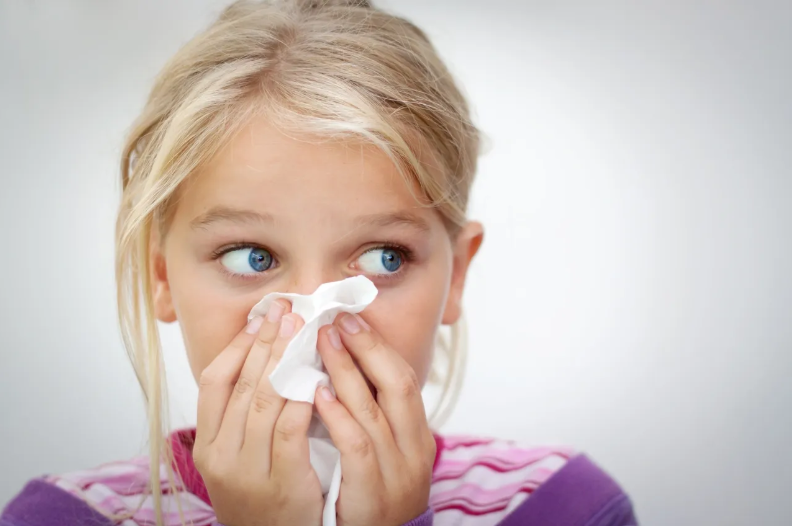
🔸 Nasal discomfort - swelling, mucus, itching & sneezing
🔹 Breathing issues - swelling & mucus in the airways, chronic coughing, chest tightness & shallow breathing, for example with infant asthma
🔸 Digestive irritation - swelling likely causing pain & bloating in the gut, reflux, diarrhoea, constipation, trapped or excess gas, & mucus or blood in the stools from the gut lining
How can allergies affect your baby's reflux?
An infant's immune system is constantly learning & evolving after birth. It spends its time deciding what is safe & what could cause damage once it enters the body. When your baby's immune system detects something it deems 'unsafe', it wants it out again as soon as possible. The quickest & easiest way to do this is by vomiting.
Knowing that the body can react to an allergen in this way, it is no surprise that reflux or silent reflux could be an obvious sign. If a large amount of the allergen has been consumed, there's a chance that your baby may projectile vomit too.
If the allergen cannot be expelled this way, then they have to pass through the rest of the digestive system to be passed in the stools. This can be extremely uncomfortable for infants, because the longer it remains in the body, the longer the gut lining is exposed to potential damage & inflammation, & the more symptoms they are likely to get. To make this easier, the immune system will produce mucus to protect itself, which can be seen in a baby's nappy once passed.
Several other signs & symptoms, like a chronic cough, nasal congestion, disrupted sleep, skin changes or changes in stools, can all overlap to paint a bigger picture of what is causing your baby's reflux. This is why it is so important to establish what the true cause is, identify any patterns in symptoms, understand why & how to change it.
Without the 'why', you will struggle to know how to help your baby's reflux. Once parents have this knowledge, the information behind why, you can better advocate for your baby because you have the knowledge & tools to do so!
For more information, I recommend parents look for a book called The Allergy Book (found here, also available on Audible or Kindle), that provides a great overview of a host of common allergies for families, signs, symptoms, what to expect, & much more.
🌻🌻🌻🌻🌻
If you would like my help, you can email me, download my free reflux symptom tracker,
check out my social media pages, or see my other posts on infant allergies
🌻🌻🌻🌻🌻
Please note: if you are concerned about your baby's symptoms, you should seek medical advice & contact your paediatrician or a qualified provider.
This is intended for educational purposes only & does not substitute for a medical diagnosis.